
Research
Research Blog
Weekly notes on peptide research, mechanisms discussed in the literature, and study models. Educational — research use only.

5 Sep 2026 · 10 min read
BPC-157 and Stimulants: What the Dopamine Interaction Evidence Actually Shows
"BPC-157 made my stimulant stop working" is a claim circulating in peptide communities. There is legitimate preclinical pharmacology behind the question — and a wide gap between that and a proven human interaction. Here's the honest middle ground.
4 Sep 2026 · 9 min read
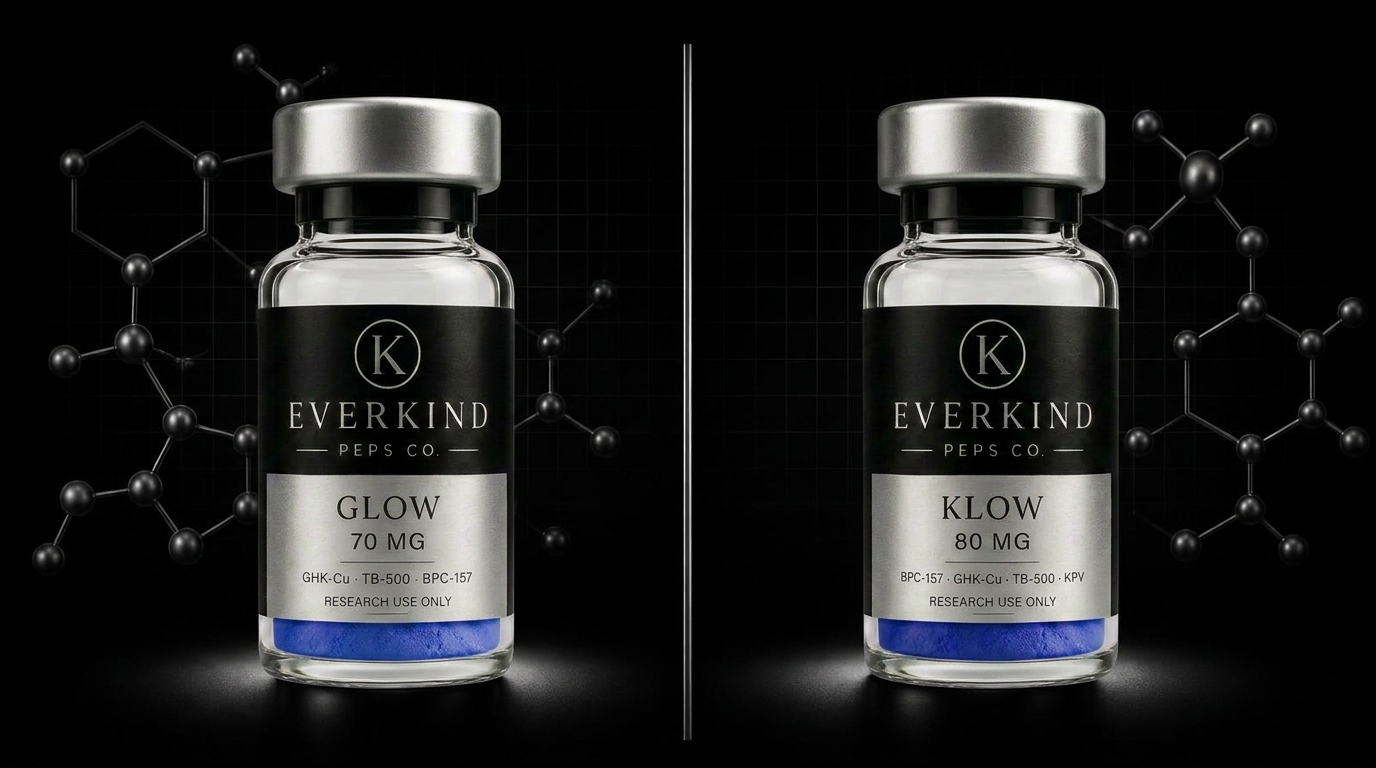
KLOW vs GLOW: Why Adding KPV Changes the Research Question
GLOW is GHK-Cu, BPC-157 and TB-500. KLOW adds KPV — a tripeptide with a distinctly anti-inflammatory research profile. Why that addition doesn't just add an ingredient, it changes the biological question being asked.

2 Sep 2026 · 10 min read
Tirzepatide or Retatrutide? Comparing Two Generations of GLP-1-Based Metabolic Research
Dual agonist versus triple agonist — what the tirzepatide and retatrutide trial data actually show, why cross-trial comparisons mislead, and the questions the Phase 3 programme is designed to answer.
2 Sep 2026 · 9 min read
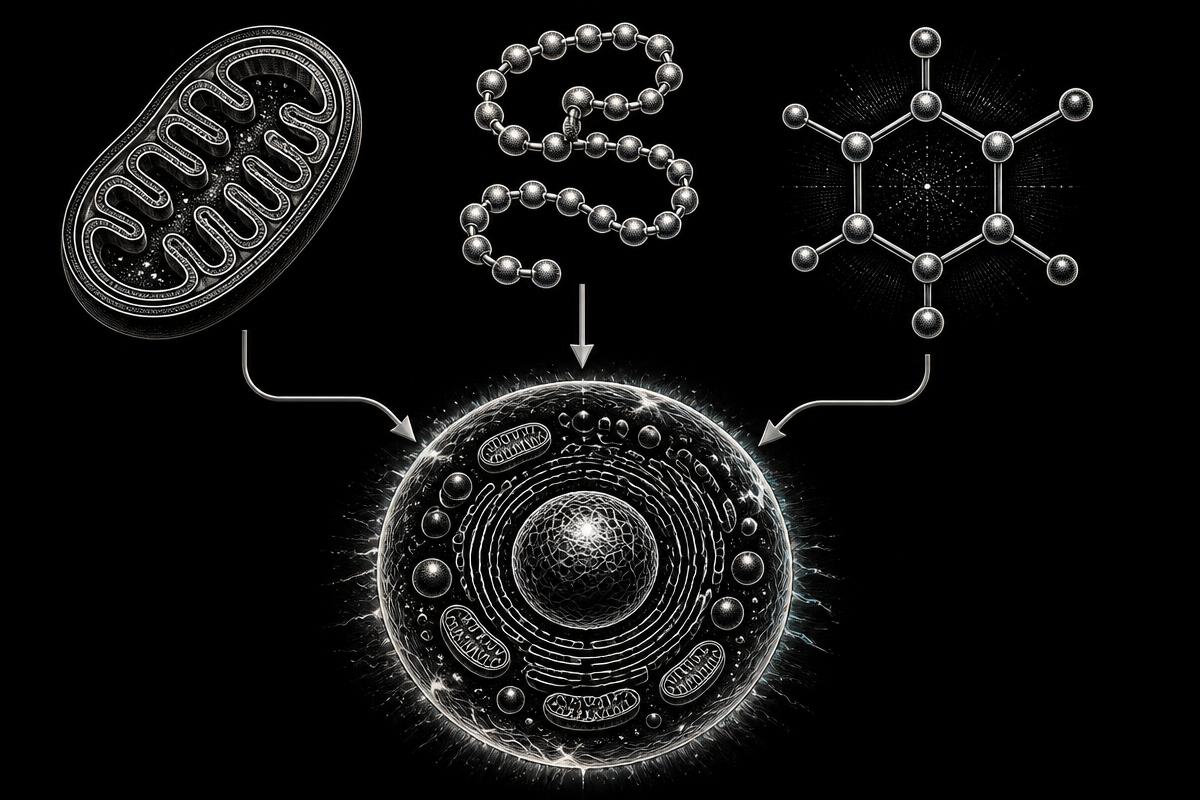
NAD+, MOTS-c and 5-Amino-1MQ: What Happens When You Combine Three Metabolic Research Compounds?
Three compounds, three different entry points into cellular energy metabolism. What the literature says about NAD+ precursors, MOTS-c and 5-Amino-1MQ individually — and what is and isn't known about studying them together.

1 Sep 2026 · 9 min read
5 Promising Yet Overlooked Benefits of Retatrutide
Liver fat, cardiovascular markers, glycaemic control, visceral fat distribution and inflammation — the retatrutide findings that sit underneath the headline weight-loss number, and what they do and don't show.

1 Sep 2026 · 9 min read
The Do's and Don'ts of Retatrutide Research
Separating trial data from forum anecdotes, why starting doses aren't protocols, what pharmacokinetics changes, and how to vet the research material itself — a researcher's checklist for retatrutide.
27 Aug 2026 · 8 min read
MOTS-c Just Got More Interesting: A Mitochondrial Peptide With Host-Defence Behaviour
A new eLife paper reports that MOTS-c — usually discussed in metabolic and exercise research — shows direct antibacterial activity and immune-cell effects. What the study actually demonstrates, and what it doesn't.
26 Aug 2026 · 10 min read
The Everkind Research Range: A Complete Guide to the Current Catalogue
From the CJC-1295 + Ipamorelin blend to Retatrutide, BPC-157, KLOW and beyond — a plain-language map of every compound in the current Everkind range, what it's studied for, and how researchers group them.
24 Aug 2026 · 8 min read
Tesamorelin vs CJC-1295: Which Growth Hormone Secretagogue Is Right for Your Research?
Both Tesamorelin and CJC-1295 stimulate the body's own growth hormone release through GHRH receptors, but they differ in potency, clinical evidence, and tolerability. Here's what researchers should know.

19 Aug 2026 · 16 min read
Semax and the Brain: Beyond Focus, BDNF, Neuroprotection and the Science of Neuroplasticity
Semax is often labelled a focus peptide, but the more interesting research concerns BDNF, neuroplasticity and recovery after ischemic stroke. Here's what the science actually says.
12 Aug 2026 · 17 min read
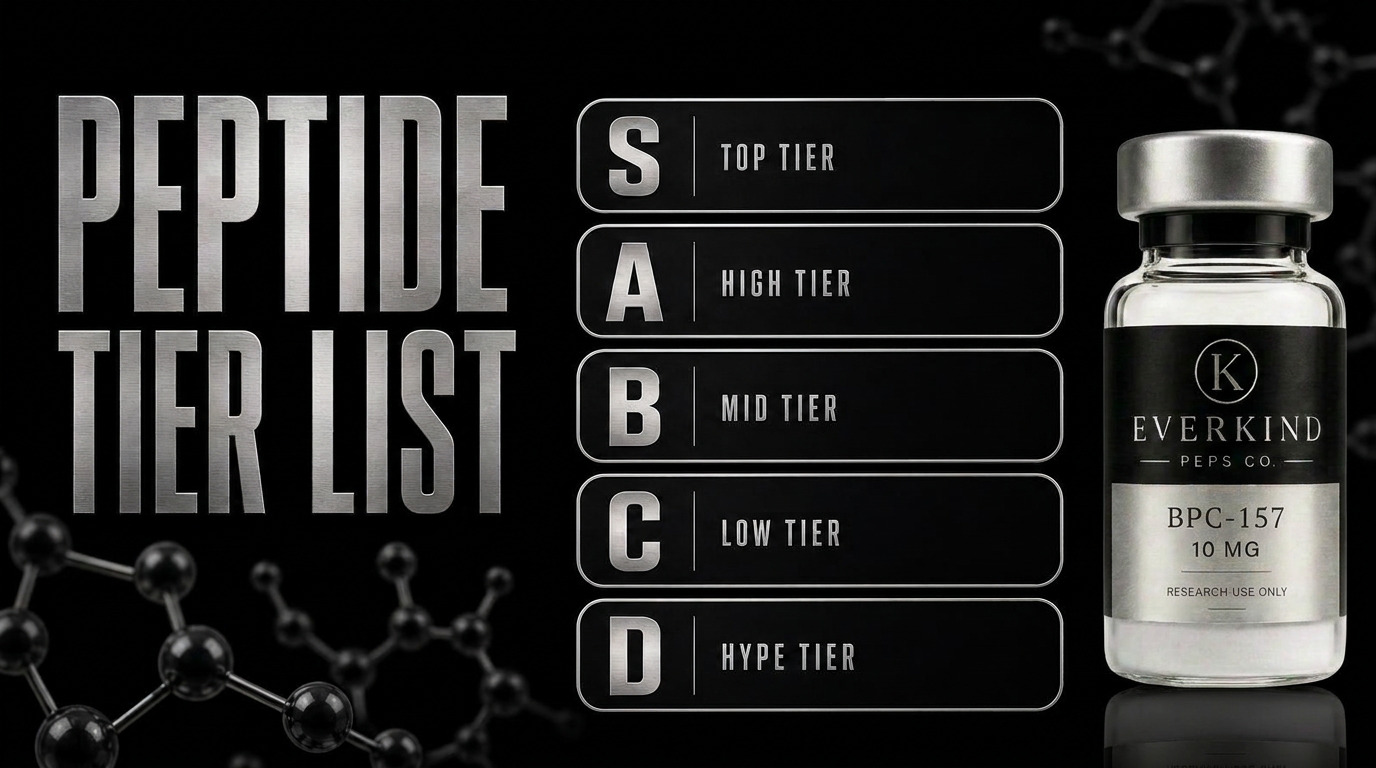
The Peptide Tier List: Which Peptides Have the Most Research Potential in 2026?
Peptides have gone from a niche area of biomedical research to one of the most talked-about categories in modern biotechnology. A tiered look at the evidence behind the most commonly discussed compounds.
5 Aug 2026 · 12 min read
The Top 5 Peptides for Longevity: What the Science Actually Says About Mitochondria, Senescence, Immunity, Telomeres and GLP-1
Longevity research is crowded with promises. A look at five of the most discussed peptide research areas — mitochondria, cellular senescence, immune function, telomeres and GLP-1 biology — and what the literature actually supports.
29 Jul 2026 · 9 min read
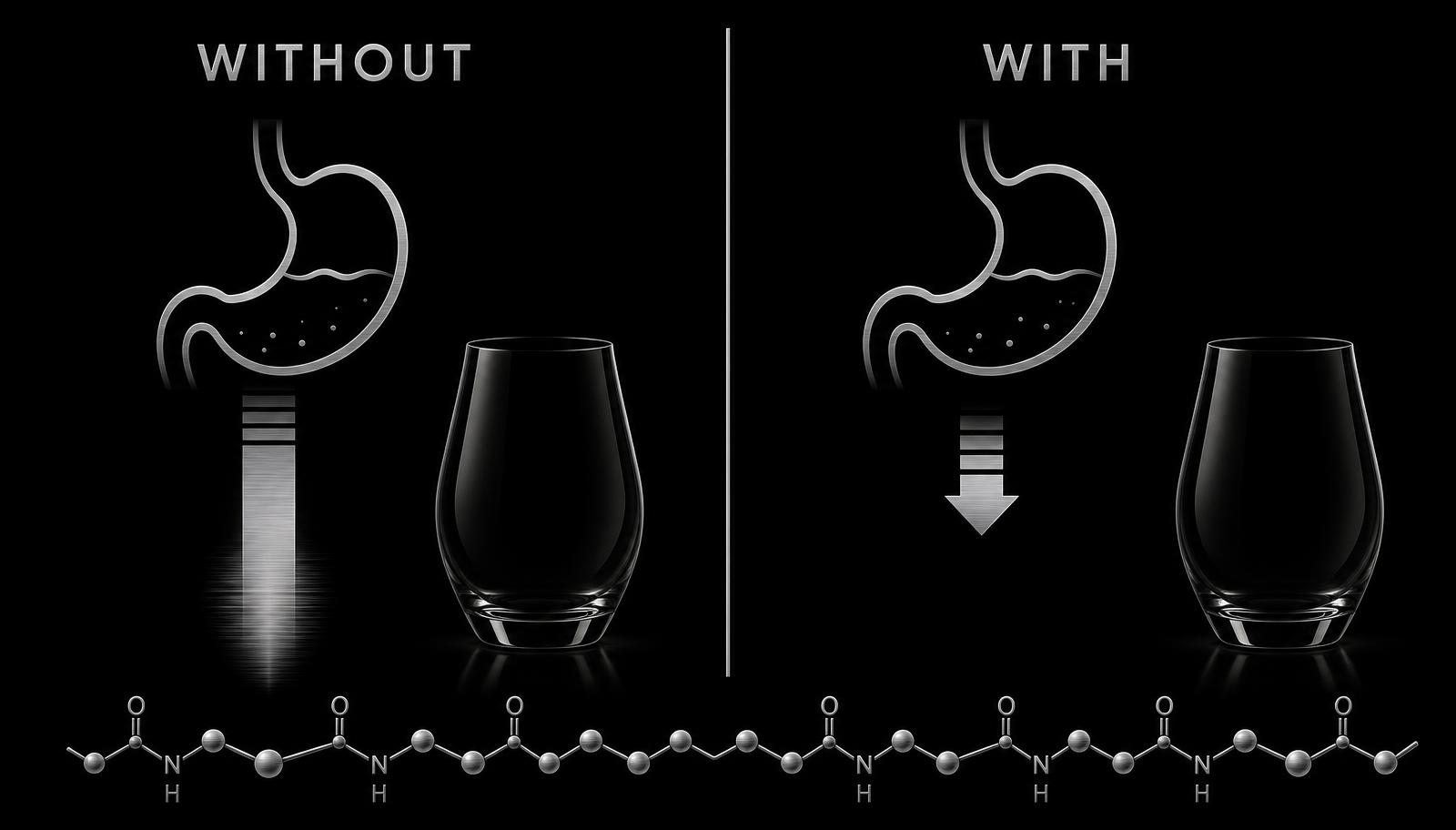
Retatrutide and Alcohol: Why Two Drinks May Not Affect Research Subjects the Same Way on Reta
Alcohol and retatrutide both influence glucose regulation, gastric emptying and metabolic signalling. For researchers, that overlap means the same drink can produce very different effects depending on dose, timing and individual physiology.
22 Jul 2026 · 8 min read
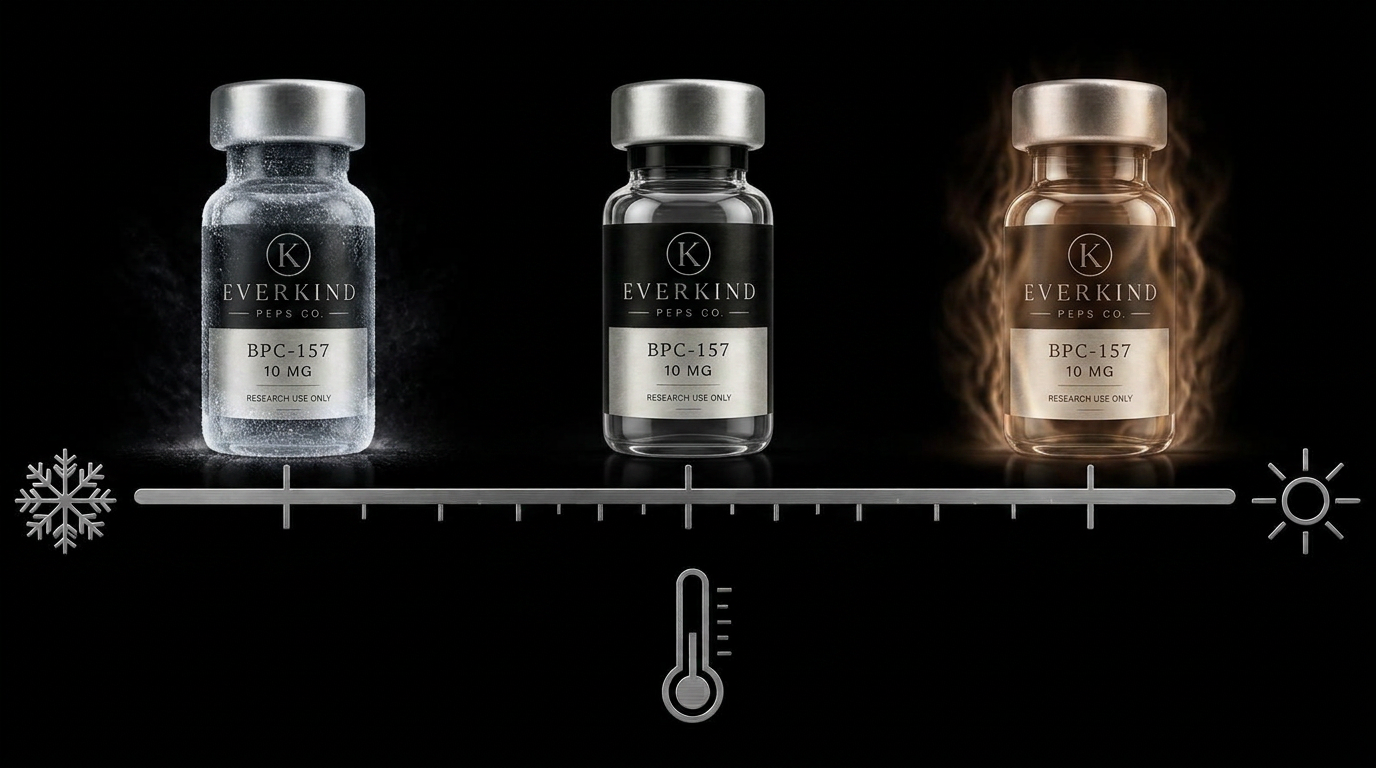
Why Peptides Degrade in Heat — and What Cold Chain Really Means
Lyophilised peptides tolerate transit far better than reconstituted ones. Here's the actual chemistry of heat degradation, and what matters for shipping across an Australian summer.
16 Jul 2026 · 14 min read
Retatrutide: 10 Mistakes People Make When Interpreting the New Triple-Agonist
Retatrutide has moved from experimental metabolic research to one of the most closely watched obesity-science candidates. A look at the most common misconceptions surrounding the GIP/GLP-1/glucagon triple agonist.
12 Jul 2026 · 10 min read
GHK-Cu: The Copper Peptide Linking Tissue Repair, Gene Expression and Ageing
GHK-Cu is a three-amino-acid copper carrier that plasma levels of decline sharply with age — and that appears to shift the expression of thousands of genes in cultured cells.
8 Jul 2026 · 11 min read
Retatrutide and Obesity-Associated Cancer: What a New Preclinical Study Actually Shows
A recent preclinical study reported dramatic reductions in tumor volume in animal models of obesity-associated pancreatic and lung cancer after retatrutide treatment. Here's how to interpret the findings responsibly.
2 Jul 2026 · 10 min read
Retatrutide Phase 3: What TRIUMPH-2 and TRIUMPH-3 Actually Reported
Up to 22.6% average body-weight reduction, 1.6% A1C improvement, and a stated BLA filing in Q1 2027. The trial-by-trial numbers, and what they mean for the triple agonist.
24 Jun 2026 · 12 min read
What If MOTS-c Doesn't Produce the Energy Boost You Expected?
MOTS-c and SS-31 target mitochondrial biology from very different directions — signalling versus membrane architecture. A look at what the research does and doesn't establish.
17 Jun 2026 · 11 min read
NAD+ and Longevity: What the Science Actually Says
NAD+ decline with age is well documented. Whether raising it back changes ageing outcomes is a separate question — and the human evidence is thinner than the marketing suggests.
10 Jun 2026 · 9 min read
BPC-157, TB-500, and CJC-1295: Separating the Hype from the Science
A grounded look at what the peer-reviewed literature actually says about three of the most talked-about research peptides — and where the gaps still sit.
3 Jun 2026 · 8 min read
Can You Mix Peptides in the Same Syringe? A Compatibility Reality Check
Common pairings are common because they're convenient, not because compatibility was tested. The distinction between biological synergy and chemical stability matters more than most protocols admit.
18 May 2026 · 10 min read
SS-31 (Elamipretide): What the Mitochondrial Research Actually Shows
SS-31 doesn't add fuel to the mitochondria — it targets cardiolipin in the inner membrane. Understanding that difference explains both the clinical trial results and the failures.
4 May 2026 · 8 min read
Melanotan I vs Melanotan II: What's Actually Different?
Both are analogues of alpha-MSH, but receptor selectivity separates them completely — and that selectivity explains almost every difference reported in the literature.
20 Apr 2026 · 10 min read
GLOW vs KLOW: Which Multi-Peptide Blend Fits Your Research Design?
Three pathways or four? A component-by-component comparison of GLOW and KLOW, what KPV adds, and how blend design changes what a study can actually conclude.
6 Apr 2026 · 9 min read
Selank vs a Benzodiazepine: What a 14-Day Human Trial Showed
A 62-participant Russian study compared Selank directly against medazepam in generalised anxiety disorder. The anxiolytic effect was comparable — the side-effect profile wasn't.
23 Mar 2026 · 8 min read
How to Store Peptide Vials: Temperature, Light and Real Shelf Life
Lyophilised versus reconstituted, fridge versus freezer, and why light and freeze-thaw cycles quietly cost you more potency than time does.
9 Mar 2026 · 9 min read
BPC-157 in the Knee: What the Only Human Case Series Actually Found
Eleven of twelve patients reported meaningful improvement after intra-articular BPC-157. A close read of the 2021 retrospective study — what it shows, and what it can't.